

Use the filters to narrow your search.

Technology can be overwhelming at times but it also offers us new ways to expand our outreach to beginning farm and ranch women. New tools also allow us to reach a broader audience, build better collaborations and work more efficiently. This presentation from the 2019 Women in Ag Programs for 21st Century Farms and Ranches Virtual Conference provides information about several models of education, technical assistance and coaching that are being employed successfully with women farmers and ranchers.

Abbie Corse grew up hating cows. She went to school for journalism and got involved with arts administration. Then she realized what a lack of seasonal work and attachment to a land base was doing to her mental health. She and her husband chose to move home and Abbie began to reconstruct her relationship with the farm, the experience of working with her parents, and the role of women farmers in the future of Vermont agriculture.

Learn how to nurture kids' passion for farming while making sure they stay out of harm's way on your agricultural operation.

This presentation recording shares strategies and tools educators and service providers can use to help women farm business owners integrate lifecycle events into the business planning process.
Based on information developed by National Institute for Occupational Safety and Health (NIOSH), this University of Florida's Environmental Health and Safety website provides guidelines to musculoskeletal injuries associated with agricultural hand work. The guidelines are grouped into four major areas: Hand work; hand tools, lifting and stooped work.

AgSafety4u is an online course designed to provide beginning farmers and farm laborers with strategies to reduce risks when working with tractors and machinery. Farm managers can use this course as a professional development resource for their workers.

Compiled by the Michigan State University Center for Regional Food Systems, this bibliography offers a foundation for learning and communicating about structural racism in the U.S. food system. The 11th edition, released in early 2025, includes total of 728 references to peer-reviewed articles, reports, books, videos, and more.

Meet Growing For Market's newest host and crop farmer, April Parms Jones! Based in Akron, Ohio, April grows a variety of crops, is a member of the Ohio Farmers Union, and was a delegate for Ohio at the National Farmers Union Convention. In this interview she shares her passion for growing, and activity in the movements for seed sovereignty and creating a more just food system.

This 2019 recording provides an overview of legal issues that are relevant to women-operated farms, and will help educators and service providers assess when to recommend that farmers or ranchers might need to seek legal advice. The session will cover issues related to land tenure, contracting, and legal liability including suggested legal resources for individuals handling sexual harassment claims on the farm.
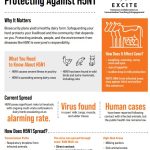
Launched in May 2024, this website provides informational resources from the US Centers for Disease Control (CDC) regarding bird flu (H5N1) and human health. It includes the weekly updates sent by the CDC to partners on Influenza A (H5N1), and other educational resources developed by the CDC.

Join Margaret Viebrock of Washington State University Extension in this 2015 webinar recording as she shares ways to balance your busy farm life schedule.
Farm business planning is critical because it helps you to identify and achieve long-term goals for yourself, your family, your business and your land. This publication will introduce you to the basics of creating a written business plan, including what a business plan is, why you need one, and what to expect from the planning process when you are ready to get started.

This PDF guide created by the Migrant Clinicians Network includes 11 self-care approaches to help you pause, reflect, and recharge. Everyday stress can come from many directions including family responsibilities, work demands, community needs, and the pressure of showing up in spaces that don’t always reflect or understand our experiences.
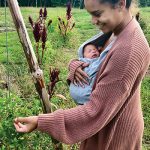
Whether you’ve recently become a parent, are about to become one or may in the future, its important to include postpartum period in your farm planning. In this Growing for Market article, farmer Katie Kulla shares her personal postpartum stories & experiences along with those of other postpartum farming mothers in this week’s article.

This comprehensive guide was developed to help both beginning and experienced rural entrepreneurs create business plans for building profitable alternative and sustainable agriculture enterprises.
Available in PDF or as a bound workbook, the guide contains worksheets and real case studies that help foster practical perspective and illustrate how farm families have set goals, researched processing alternatives, determined potential markets, and evaluated financing options for their business planning.

The climate is changing and bringing more uncertainty to the future conditions of forests.
12 Steps to Climate Resilience provides recommendations to landowners for making forest lands more resilient to changing climate conditions.

This webinar recording looks at what data collected by the 2012 Census of Ag tells us about women farm and ranch operators.

This article on caregiving and farming from The 19th showcases experiences and research related to the challenges farmers—particularly women—encounter securing appropriate and affordable childcare.
Using Census of Agriculture data from 1978 through 2007, this report provides detailed information about women farmers and the types of farms they operate.

This 2020 journal article examines childcare arrangements as an under-recognized challenge through which farm household dynamics directly influence agricultural production.

Farm women in Ohio, Vermont, and Wisconsin used photographs and commentary to explain how caring for their children impacts their quality of life, their livelihood, and their children’s safety. Visit Ohio State University Extension’s Childcare Challenges on the Farm to view images and the video and to add your voice to the conversation about how …
Continue reading "Childcare Challenges on the Farm: We Can’t Fix What We Don’t See"

This research brief summarizes results from the 2023 National Farm Families Childcare Survey. The findings document the childcare challenges farm families encounter, and provide insights into the ways access to affordable, quality childcare affects farm economy viability, child safety, and mental health in farming communities.

This 2023 research brief summarizes findings about coverage of children and childcare in farmer education. The study found that while raising children on farms has direct implications on farm health & safety and business viability, childcare topics are largely absent in many current farmer education programs.
This June 2024 Agriculture and Human Values article, uses survey responses from 729 U.S. farm families to understand how children and their childcare needs shape the farm enterprise. A high proportion of respondents made changes to adapt to the needs of children with the greatest impact on farm productivity, followed by impact on the structure of labor on- and off- the farm, and impact on the farm enterprise structure.
Woman to woman networks are powerful strategies for beginning farm and ranch women to learn how to build businesses that fit their needs and lifestyles. This recording from the 2019 Women in Ag Programs for 21st Century Farms and Ranches Virtual Conference explores several models that employ coaching strategies in different ways to attain business goals, learn skills, and take some calculated risks.

This 2016 webinar recording examines some of the major drivers in food purchase decisions, and then consider specific strategies for positioning your products in a rapidly changing marketplace.

Corinna Bench learned digital marketing by doing the marketing for her family’s farm, Shared Legacy Farms. In this episode of the Growing For Market podcast Corinna tells us how to identify products ripe for a promotion, plan around important dates, set revenue goals, and create marketing peaks to maximize sales. In this New Year's episode, she tells how to plan out a promotion calendar for the year to come.

A group of agricultural educators recently collaborated to improve efforts for connecting with Hispanics working in the agriculture sector. Methods used in this project can serve as a model for others offering educational programming not just for Hispanic farmers and farmworkers, but for other underrepresented or non-traditional farming audiences.
This podcast series from the Farm and Ranch Stress Assistance network, shares stories of real, independent farmers on the struggles they face every day, and how they are overcoming them—things like family farm succession, economic burdens, and rural isolation. The series also provides resources to support mental well-being during stressful and uncertain times.

Dr. Katie Blunk of Lazy KT Ranch in Alva, Oklahoma runs a herd of Angus cow-calf pairs with her husband. Prior to taking over the ranch, Katie spent 31 years as a field veterinarian for the USDA Animal and Plant Health Inspection Service. In 2012, with her wild mustangs and burros in tow, she retired and moved back home to the 1,500-acre stretch of land she grew up on.

If you are considering launching an online platform to sell direct to customers, there are some helpful resources for comparing your options.

You Did a Program: Now What? In this recording of a workshop from the 2019 Women in Ag Programs for 21st Century Farms and Ranches conference, a team from Iowa State University's Women in Ag Programs guides you through a process for going from program relevance to program impacts as efficiently as possible.

This article in The Conversation, discusses how household expenses like access to health care and child care affect farm development, including the impacts on farms with women as primary operators.
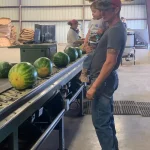
This January 2024 NPR Marketplace episode provides insights into the challenges of finding appropriate, affordable child care in rural farming communities, how it affects the agricultural sector, and farm bill proposals that could help. Listen to the episode.
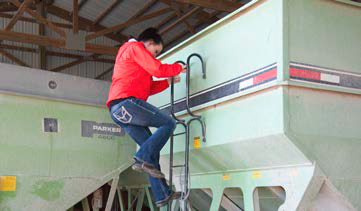
This AgriSafe factsheet highlights unique health and safety risk factors—and practical solutions—for women working in agriculture.
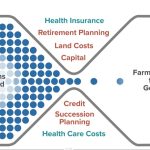
This 7 minute video demonstrates the connections between farmers' access to health insurance and resilient farm operations. It was produced in 2017 by the HIREDnAg project in cooperation with Vermont Community Access Media.

Women bring different perspectives, values and priorities to farm enterprises. This webinar recording focuses on what aspects of rural life are important to women, how they learn, and how that influences decision-making with regard to production, marketing and land management practices.

The Secure Our Herds website provides up-to-date information on biosecurity, as well as livestock protection, testing and treatment recommendations. This site offers protective actions for people who, as part of their jobs, come into contact with animals that could be infected with Highly Pathogenic Avian Influenza (HPAI).

Farmers are known for working in all types of weather conditions. For those working in high heat, safety is both a priority and a growing challenge. As the growing season starts to ramp up, farmers and ag service providers from across the country share their tips, practices, and policies related to extreme heat in this video and accompanying resource library.
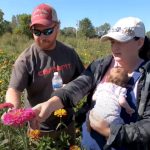
This 4-minute video shares farmers’ experiences and a research study about how access to and the cost of childcare and health insurance affect can affect business decisions for small scale and beginning farmers.

Many sets of helping hands and well-timed opportunities sit at the heart of Hannah Breckbill's journey from math degree graduate to queer organic farmer and beginning farmer advocate. As she worked to create and grow a worker-owned farm cooperative, she experienced unique issues as an LGBTQI+ farmer. “The main challenge that I associate with being a queer farmer is the societal and even legal expectations associated with ‘family+’.”

Jaymie Michelle Thurler tells us how she went from a dairy farming background to start Rutabaga Ranch, a certified organic bio-diverse market garden in Brinston, Ontario. Jaymie conveys a lot of farm wisdom with humor, including how some peculiar local ag laws led to starting an on-farm store in a silo, which ended up being much more successful than she ever imagined.
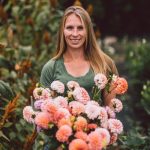
In this Growing For Market podcast interview, Jenny Marks of Trademarks Flower Farm discusses the strategies she employs to maximize efficiency and profitability. She delves into the structure of her flower CSA, the significance of partnerships with local businesses, and offers advice on how to succeed in the industry.

Kelley Rajala of Clear Lake Gardens in Aitken, Minnesota, shares what it was like to start a farm in California and then relocate to Minnesota in this Growing For Market podcast interview. Listeners can learn a lot from the process of finding customers in the new location, including outreach, building relationships with local markets, and introducing customers to new crops through promotions and events.

In an interview with the Growing for Market podcast Kristin Graves shares her journey as a fifth-generation farmer in Alberta, focusing on her passion for garlic and the importance of female representation in farming. She points out the importance of adapting to challenges in agriculture, such as weather conditions and market demands, while also discussing the role of social media in connecting with customers and promoting her products.
This 2016 webinar recording focuses on legal issues related to hiring and paying workers that are commonly encountered by small- and medium-sized diversified farms. It includes discussion of the minimum wage as it applies to farms, workers compensation, volunteer labor on farms, and discrimination in hiring.
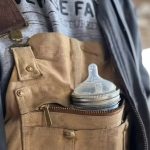
This article from The Conversation discusses how the challenge of finding quality, affordable childcare can limit growth for beginning farmers. Drawing on interviews and surveys of thousands of farmers, the researcher-authors Shoshanah Inwood and Florence Becot debunk common myths about childcare on farms.

This presentation is hosted by Utah State University and developed by the National Farm Income Tax Committee. The webinar covers 10 lessons learned in an informal coffee chat style presentation. Topics include Systemic Processing Issues, Schedule F vs Schedule C, Depreciation Issues, Taxation of Grants, Hiring Owner's Children, Recent Fire Losses, Deferring Cattle Sale Income, Entity Issues, Conservation Easements, Timber Tax Issues, Excess Soil Fertility.
This manual published by Iowa State University discusses operational and organizational issues related to sharing farm machinery for fruit and vegetable production. It includes five real-life case studies of growers who shared equipment, sample sharing agreements and worksheets for allocating costs fairly.

This 2015 webinar describes strategies small-scale growers are using to scale up production through equipment-sharing models. Topics include: what to share, how to structure sharing agreements, finding and choosing partners, and potential challenges faced by case study examples.

Meet fourth-generation cattle ranchers Nancy, Merry, and Susie Calhoun of Livermore, California. Inspired by their parents, these sisters have a deep love for natural resources and agriculture. They’re focused on being a model for other ranchers, particularly female ranchers, on all things related to conservation and sustainability.
This open access journal article presents the results of a survey of members organic and sustainable farming community in the midwestern and northeastern United States to identify influential authors, publications and organizations

Farmers from across the country share advice based on their early career experiences in these videos from Sustainable Agriculture Research & Education (SARE). The series includes interviews focused on which areas of business planning can be most helpful when you are starting out as a farm owner/manager, as well as what to consider when developing your support network of family, mentors, and service providers.

El H5N1 es un virus de la influenza aviar que podría enfermarlo. Lea este recurso para obtener más información sobre cómo mantenerlo a usted y a su equipo seguros.

Many rural women farmers have limited access to personal development workshops because of lack of funds, time or transportation. This session from the 2019 Women in Ag Programs for 21st Century Farms and Ranches Virtual Conference shares methods for women to access self- or leader-facilitated leadership development education.

This guide brings together information, tips, and tools to deliver effective, engaging online (and hybrid) education for farm and ranch women on topics related to farm viability, resilience, and conservation.

This one-page graphic can help you decide what type of virtual learning session might be best for your event.

This 2020 fact sheet from AgriSafe is designed for women working in agriculture on reproductive health exposures and associated risks.

When Rhonda Larson is not focused on her day job working as a teaching aide in local schools, her passion is flowers—a tradition that was passed down from her mother and grandmother. With help from her conservation efforts and pollinators, that passion has sprouted into a blooming cut flower business.

This 10-page guide explains the factors that affect cow behavior in interactions with humans, and describes best practices for handling beef cattle in a variety of situations, including chutes and alleyways, holding pens, crowding pens, and when moving cattle using ATVs.
This 2019 guide from the University of Missouri and the Pennsylvania State University explains the factors that affect dairy cow behavior and describes best practices for handling dairy cattle in a variety of situations.
This web resource from the University of Maine provides important information and advice from Cooperative Extension workers on how to make our jobs and work environments safer from injury or violence. It includes a special section for service providers and volunteers about staying safe in the field.

Sarahlee Lawrence runs a full-diet CSA on the farm she grew up on in the town of Sisters, Oregon. In this episode of the Growing For Market podcast Sarahlee shares insights into Rainshadow Organics' unique full diet model that emphasizes community engagement and sustainability, as well as the evolution of hosting events on the farm to foster connections through food.
This online fact sheet provides ergonomic guidelines that can help farm and ranch women prevent injuries that develop because of continuous activities over a long period of time.

The standard shovel was not ergonomically designed, but has evolved over the last century. Many shovels in use today by consumers were not chosen by them but gifted, inherited or that was the one available in the shed. However, shovels are not a ‘one-size-fits-all’ tool—especially for a female user.

This 46-page guide is designed to help prevent common musculoskeletal injuries associated with agricultural work. It describes work activities most likely to cause injuries and illustrates basic ergonomic principles for more more productive, safer agricultural work conditions.
This 2015 webinar recording offers practical strategies farmers can use to step up your game in social media and email outreach to more effectively promote direct sales at your farmstand and/or farmers markets.

In this presentation from 2019, the Women in Ag team from Iowa State University shares common themes and topics of successful educational programs.

Rhonda LaBatte is a member of the Sisseton Wahpeton Oyate, a federally recognized tribe on the Lake Traverse Reservation in South Dakota. Growing up in a rural area, Rhonda’s family relied on a garden to provide healthy food, and gardening has become a staple of her adult life as well. Learn more about Rhonda's experience planning for and establishing the use of high tunnels to extend the growing season, and her first season of implemention.
In this February 2023 podcast episode from the Agrisafe Network, Knesha Rose-Davison, AgriSafe’s public health and equity director talks with Nicole Gwishiri American Farmland Trust’s Women for the Land Southeast Program Manager.
This March 2023 Talking Total Farmer Health podcast episode from the AgriSafe Network focuses on the changing role of women working in agriculture and the risks that female ag producers encounter with a focus on these issues in Nebraska. The episode features Jessica Groskopf, a Nebraska extension agent, Carey Portell, and Linda Emanuel, AgriSafe’s Community …
Continue reading "Talking Total Farmer Health: Women in Agriculture"
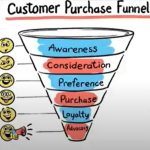
It can be hard to know when, and where, to invest your precious marketing dollars. This 2016 webinar recording looks at ways to draft a basic marketing plan designed to get small and medium-sized farms and food businesses the results they need.

This webinar provides guidance on a number of topics related to employing family members on farm operations, including employment of children by their parents, spouses working for each other, business structures involving family members, reporting/withholding requirements, and deductibility of wages paid to family members. PowerPoint slides are also provided.
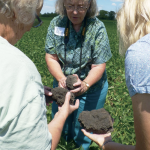
This 2019 Report from American Farmland Trust found women landowners are important in the broader implementation of conservation practices on farms. The report also shows women-only learning circles work as a means for expanding conservation actions and women who participated want to learn more.
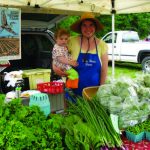
This publication from UVM Extension reviews some basic tips for arranging your space, display strategies that work, and a few other marketing tactics that will signal customers you are open for business.

This interactive workshop is designed to enhance a negotiation skillset from the perspective of women farmers and ranchers. Included materials address some key knowledge, skill and confidence challenges female farmers may encounter in a variety of negotiation settings.
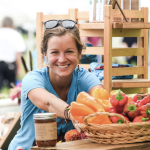
Organics are at the heart of Tiffany’s passion for providing her community with produce that has fresh, local flavor. Operating alongside her partner, Jimmy Fackert, she grows a wide variety of vegetables and herb seedlings, along with a selection of annuals, perennials, and native plants.
This recorded video presentation explains how women can get involved at the local level where decisions about farms are being made.
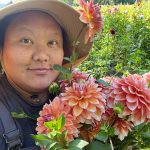
Though she comes from a flower growing family, Tracy Yang of JARN Co. Flowers in Monroe, WA wasn’t always planning on following in the family business. Now, Tracy and her family farm four acres of flowers located about 45 minutes northeast of Seattle. Hear about how she decided to grow flowers for a living and the process of establishing her own farm, which involved clearing raw land and a lot of blackberries.

One of the biggest challenges in reaching your farm goals is likely related to employees—finding, training, and retaining them. This 2016 webinar recording is the second of a two-part series aimed at helping women farmers and ranchers select the right employees and their teams off to a great start this growing season.

Virginia Herrera grew up farming in Oaxaca, Mexico. She started working at Spring Hill Organic Farm in Oregon when she moved to the United States, and when the owner retired, Virginia got the opportunity to buy the farm. She christened the operation Eloisa Organic Farm, named after her mother. She and her husband grow a wide range of certified organic vegetable crops they sell through their CSA, farmers markets, and wholesale relationships. In this podcast they talk about some of the growing strategies that make their produce exceptional.

Visar Duane views her operation as another way to practice what she preaches – health and wellness. An occupational therapist, she has long endorsed the importance of incorporating fruits and vegetables into daily diet for overall health. With help from USDA’s Natural Resources Conservation Service, she has expanded her reach as a local source of quality produce through her multifaceted operation.

This 4-page brief published in 2019 summarizes a study of how northern New England farmers are impacted by climate change, outlines specific tools and resources they need to adapt, and the describes barriers they encounter.
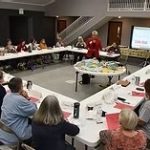
Women4theLand provides information, networking, education and resources to women landowners and farmers. It uses conservation learning circles to help women learn how to care for their natural resources, where to find financial and technical assistance, how to work with tenant farmers, and more. This toolkit provides the information needed to facilitate a successful learning circle.
A 2024 study found that female farmers reported significantly higher perceived stress and higher prevalence of binge drinking than their male counterparts. The University of Georgia College of Public Health study looked at how gender intersects with stress, resilience and alcohol, and found that the multiple farm, family and employment responsibilities women shoulder are taking …

This award-winning manual from the Women, Food and Agriculture Network gives users an overview of providing outreach to non-operator women landowners, particularly those 65 and older who now control a significant percentage of US farmland. It also contains conservation demonstration activities directed towards this audience.
This paper examines exposure to events leading to occupational injuries among women within the context of their role within an agricultural operation. The researchers consider farm injuries in the context of Haddon’s Injury Model, which poses that injuries do not occur by accident, but rather are due to uncontrolled circumstances within an environment.

This 2019 American Farmland Trust fact sheet provides an overview of demographic, production, and economic data about women farmers and ranchers. It also identifies assets women producers bring to their enterprises, disparities in their performances, as well as barriers they frequently encounter.
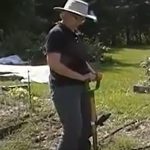
This 2017 article describes how tool design can affect the safety and productivity of women farmers. Many farm tools were not ergonomically designed with women in mind, and this can create a number of injury risks.
Women’s Roles in Farm and Ranch Transition Planning is an online course for women in agriculture.The course introduces transition planning activities and terminology to give women of all ages specific action steps they can take. Women will learn how to help move a farm or ranch business to the next generation whether family or non-family is involved. Communication tips and tools will help women talk to their family and others.
In this podcast series hosted by Ashley Ahearn, from Boise State Public Radio, you'll visit working ranches to meet women who are changing the way meat is raised in several US western states.
This 2020 article examines the relationship between childcare, the farm business, and the farm family while probing larger questions related to quality of life, labor market outcomes, and the gendered nature of work as families negotiate on-and off-farm roles and household needs.